
Company history
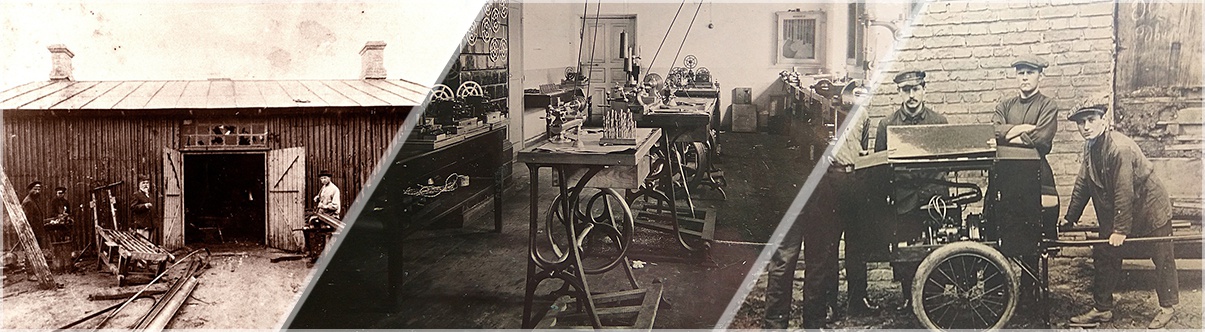
The origins of the “Transsignal” plant date back to 1875. Maintenance of signalling equipment on the Kyiv–Koziatyn section required small repair workshops with 5–7 workers, housed in two rooms.
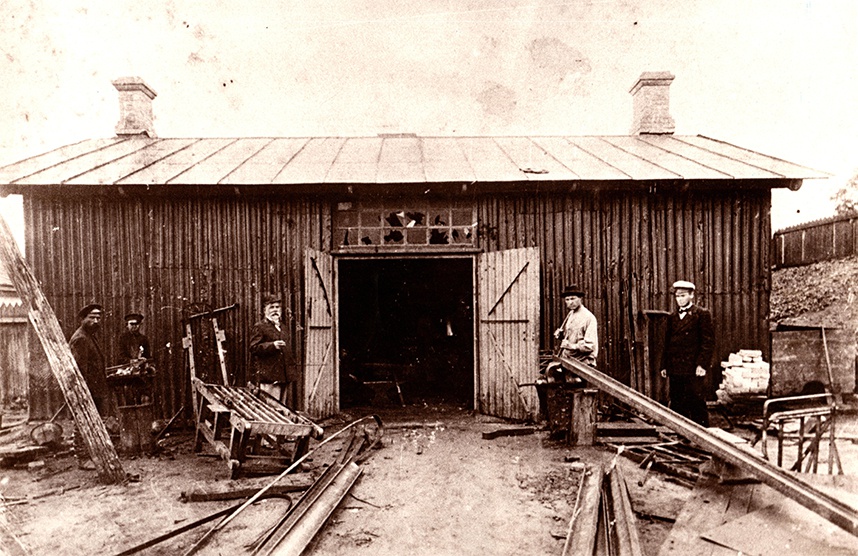
Workshop staff gradually grew to 18, with two imported foot-driven lathes. By 1890 the workshops employed almost one hundred people.
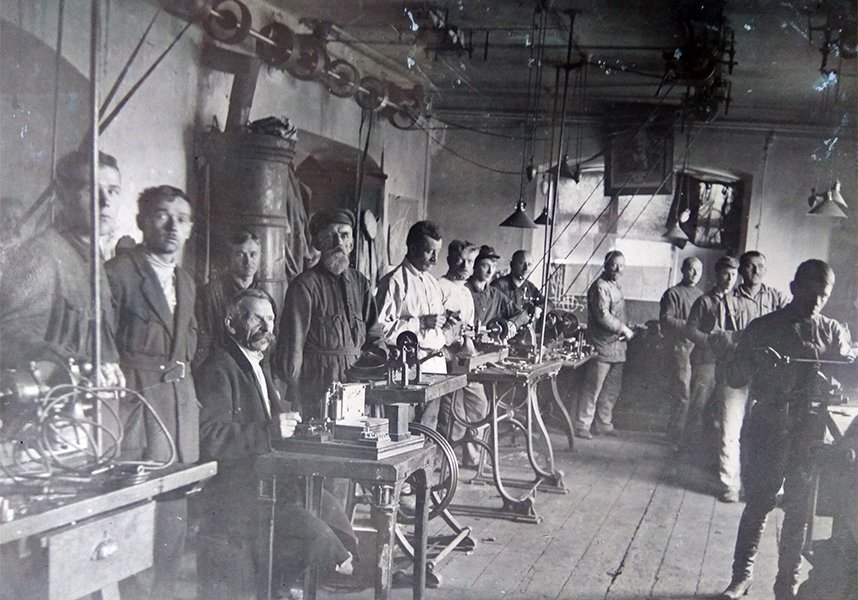
Over the next five years the workshops expanded, new production buildings were erected, and the workforce grew to 150. They became known as the “Southwestern Railway telegraph workshops”.
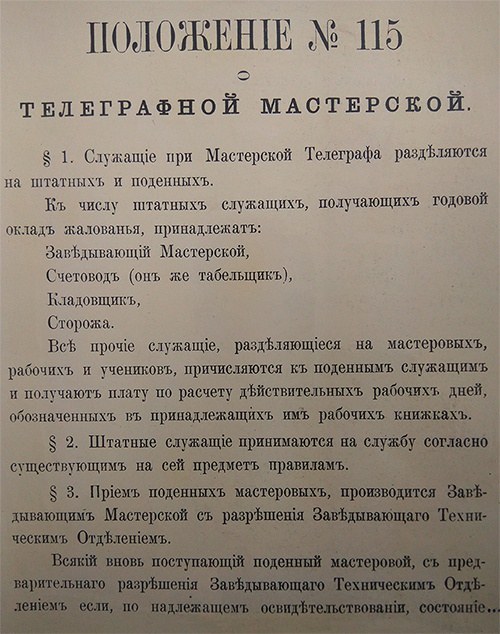
The site repaired equipment and produced items for railway electrical systems: Morse telegraphs, telephones, phonopores, and parts for signalling and communication devices.
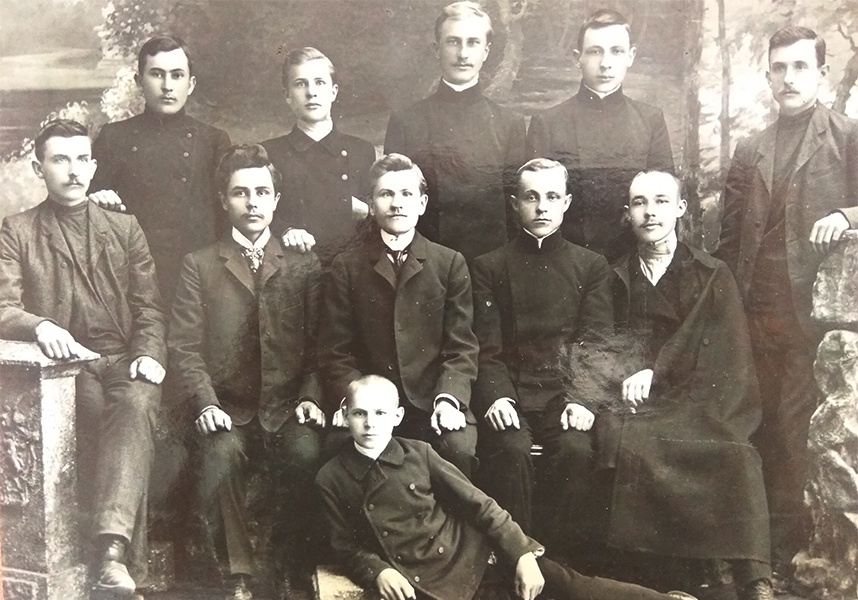
During World War I the workshops fulfilled military orders, including field telegraph sets. The apparatus shop also produced high-speed Bodo telegraph instruments.
Worker mobilisation created a labour shortage, addressed in part by forming a women’s team.
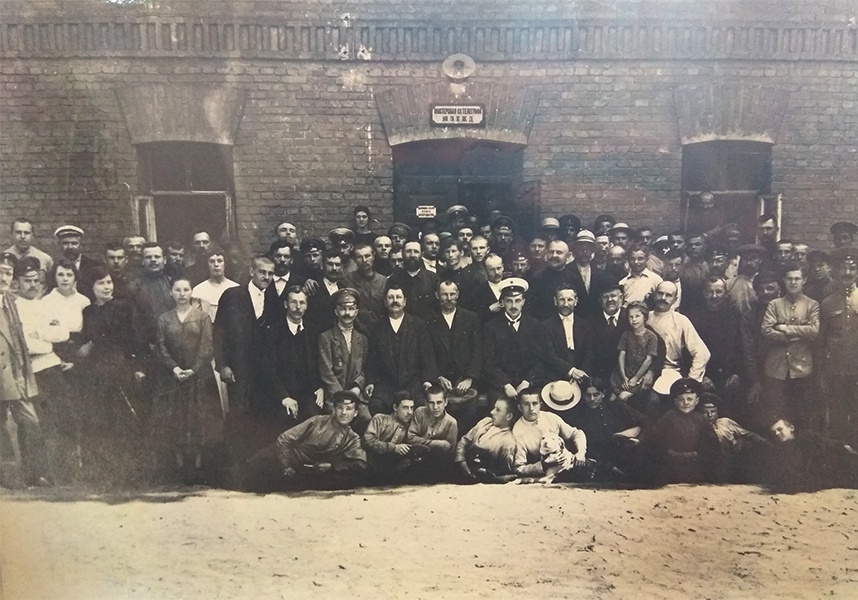
By the end of 1919 mechanical centralisation apparatus was in production.
In the early 1920s the telegraph and operations workshops merged into the “Main electrotechnical workshops of the Southwestern Railway” (GEM).
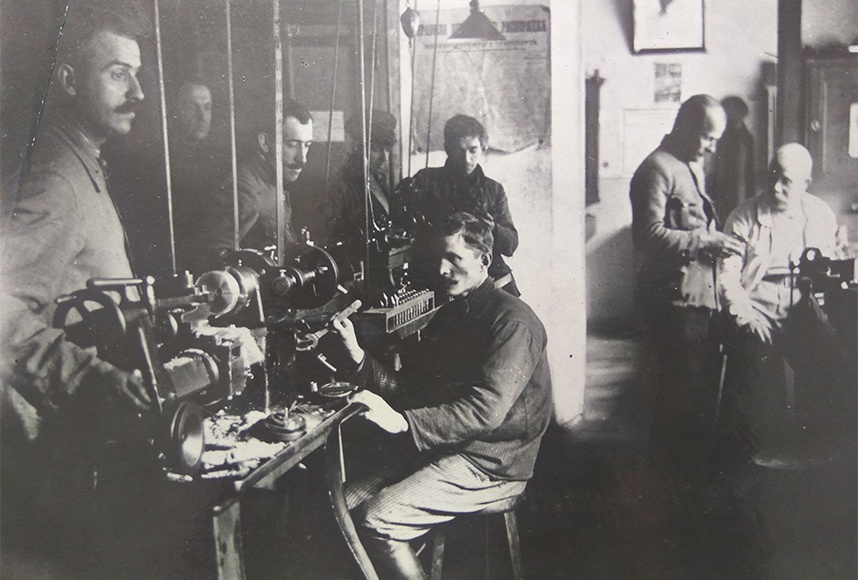
In 1923 domestic signalling devices designed by D.S. Treger were introduced, ending reliance on imported semaphore equipment.
On 1 September 1929 GEM was renamed the “Kyiv repair electrotechnical plant of the Southwestern Railway” (KREZ), and new premises were built at 97 Zhylianska Street, Kyiv, to concentrate production near the railway.
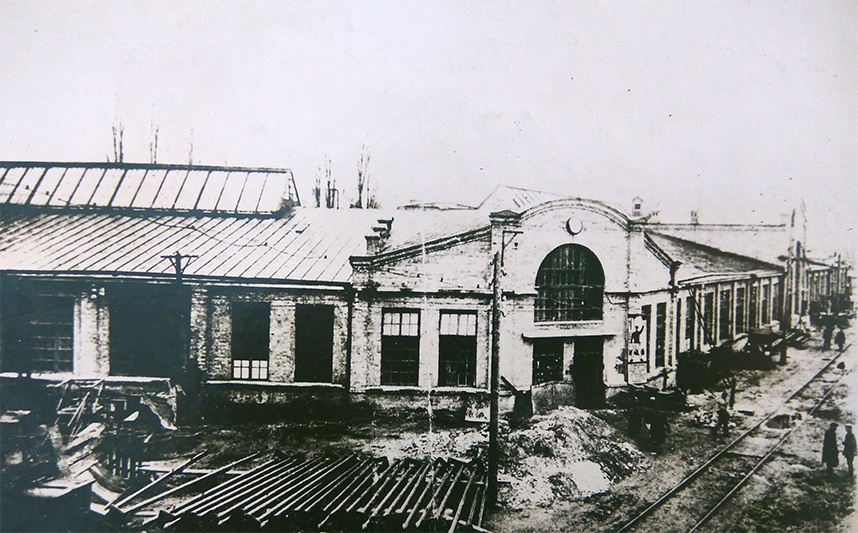
On 1 October 1931 KREZ was renamed the “Transsignal” plant.
The plant grew rapidly, producing panel and portable devices, automatic block equipment, and expanding its technical office and electrical laboratory.
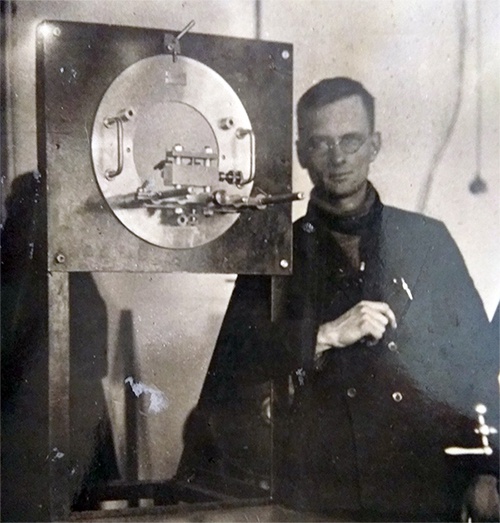
In 1935 at the Paris World Industrial Exhibition the plant was awarded the Grand Prix — a large gold medal and first-degree diploma for self-regulating equipment (continuous-action “autostops”).
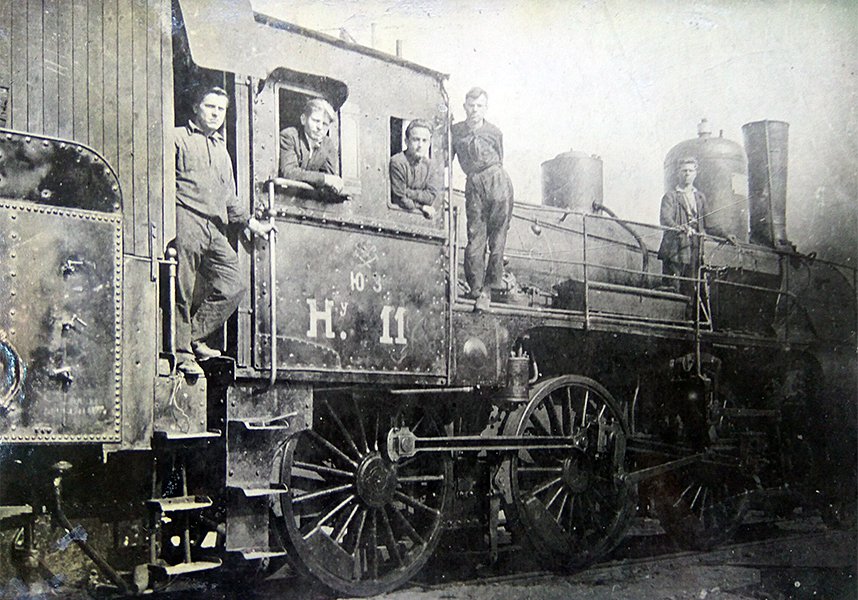
By then the plant employed over 1,000 people and produced about 70 product types.
After the outbreak of the Great Patriotic War the plant was evacuated first to Kharkiv, then to Tashkent; equipment, materials and key personnel were moved. In Tashkent it produced defence items including field telegraphs and mortar sights. Production returned from Tashkent in 1944.
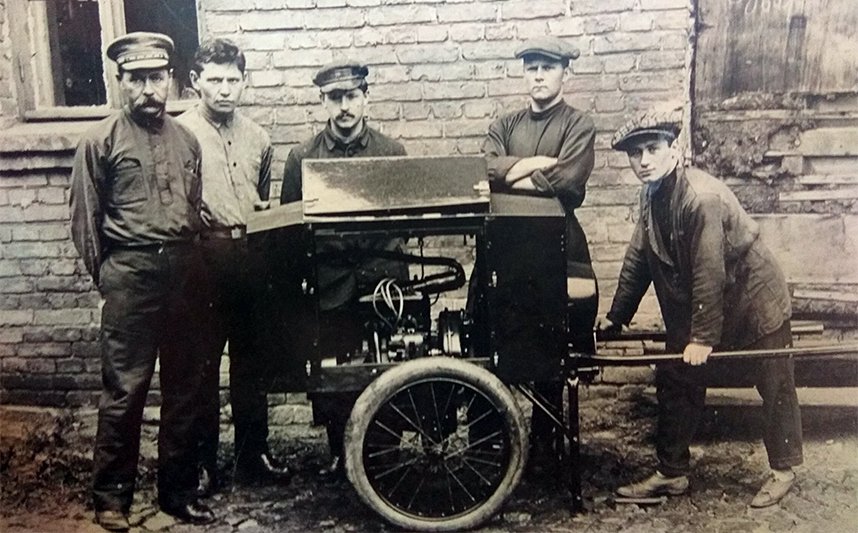
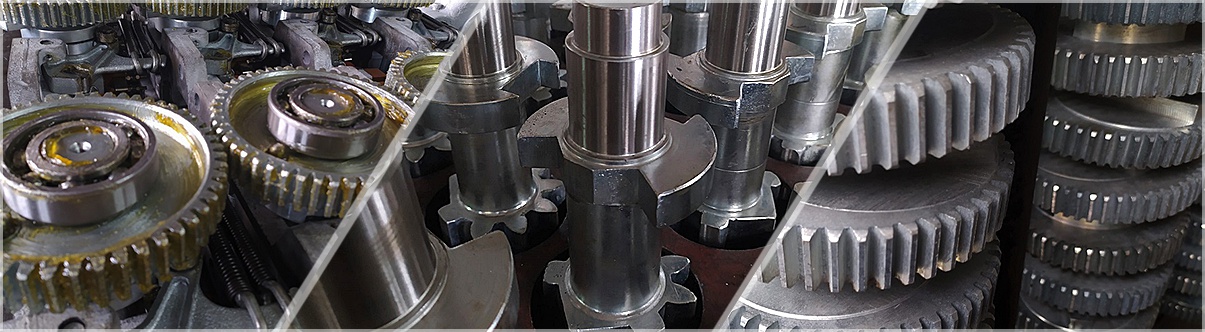
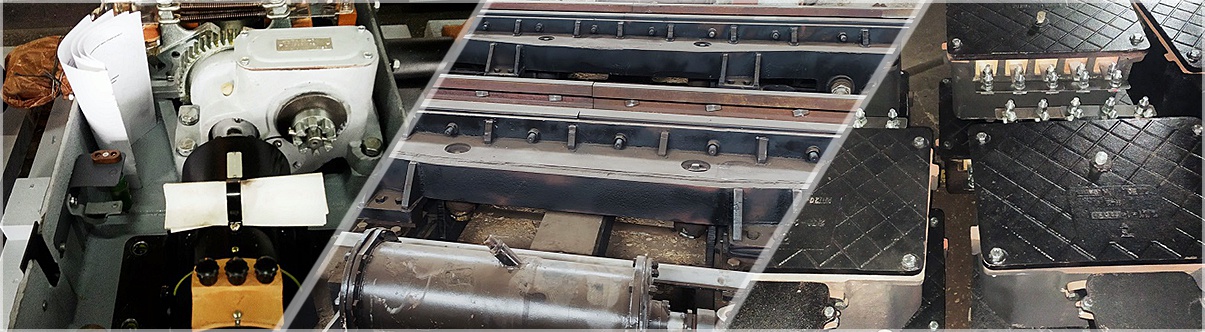
In 1947 output reached pre-war levels. Point machine drives, choke transformers, pump automation, circuit breakers and similar devices were produced for mainline and metro systems.
The plant also supplied track-recording, flaw-detection and signalling/centralisation/blocking laboratory cars. These trains monitored track condition at speeds up to 100 km/h.
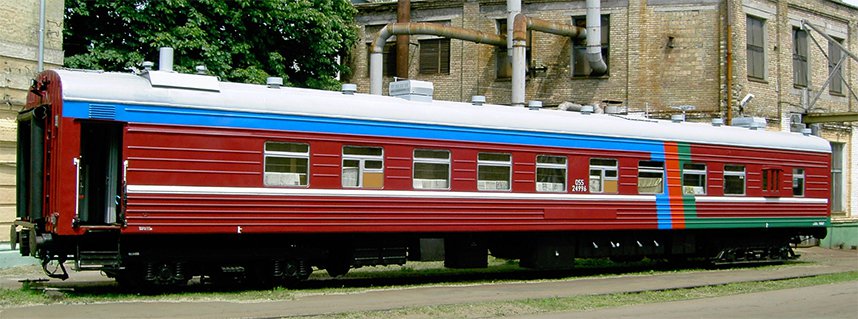
Production included audio-frequency track circuit equipment, full train arrival control, network integrators, axle speed sensors and frequency-dispatch control systems.
Products were exported to 15 countries, including Bulgaria, Poland, Czechoslovakia, India, Iraq and Cuba.
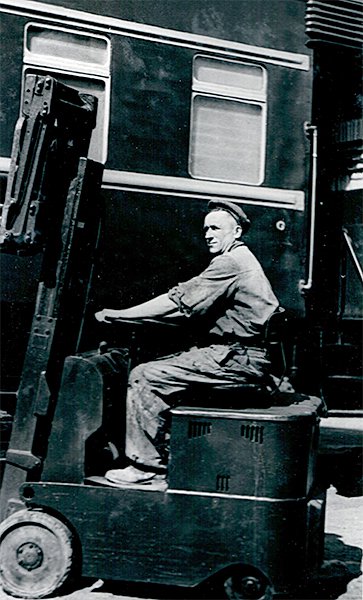
In 1974 construction began on machining and tool shops and an engineering building; an electroplating section was commissioned, the forge was rebuilt, and medium presses and casting were upgraded.
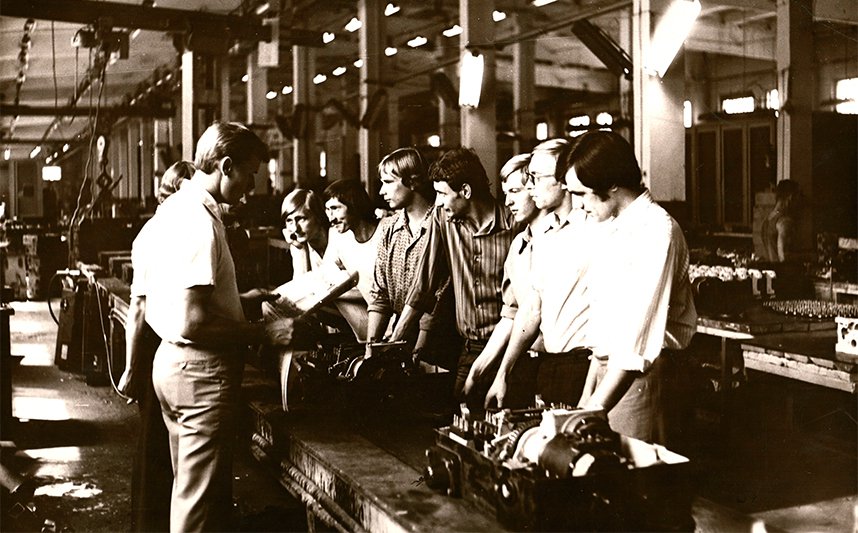
Thus, decades of growth turned small workshops into a plant supplying national railways with complex signalling equipment.